


To Kill A Saint – A Personal History, Reimagined on Film
To Kill A Saint is not just a music video – it’s a deeply personal reckoning. The track draws directly from Oliver Anderson’s family lineage, rooted in a historical witch trial in which one of his ancestor was falsely accused and persecuted. That inherited trauma runs through the song’s lyrics, particularly the recurring idea that “once a sinner, always a sinner”, a phrase that captures the brutal logic of accusation culture, where guilt is permanent and innocence irrelevant.
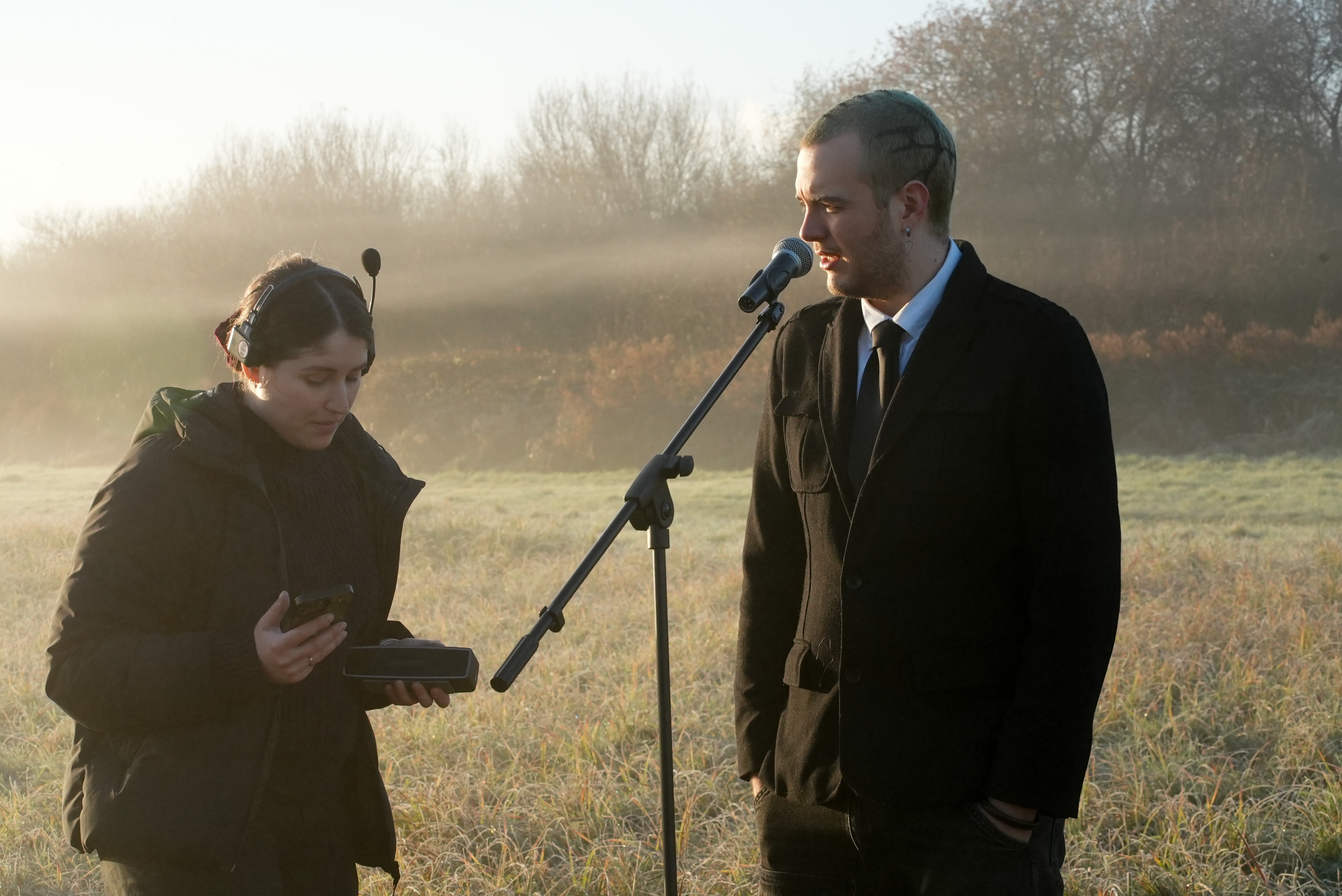
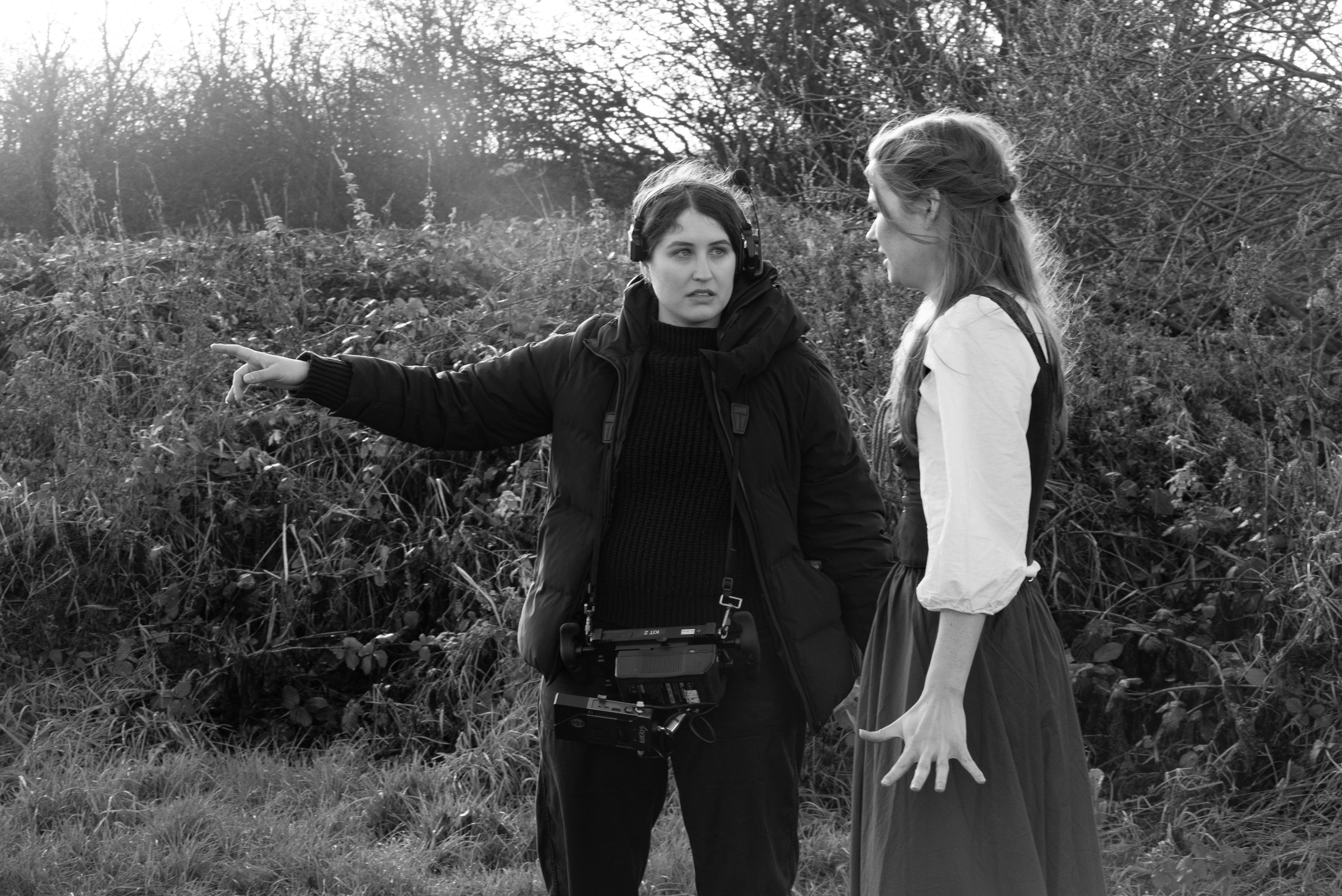
Directed and produced by Kieran Lowley and Isobel Drane, and produced by Red Robin Films, the video was conceived as an emotional reflection rather than a literal retelling. From the outset, the aim was to create something gritty, raw, and unsettling, resisting polish in favour of emotional truth. This is not a story to be observed from a distance. It’s one to be endured.

The visual language leans heavily into a handheld camera style, grounding the film in physical presence and instability. The camera is constantly searching, mirroring the paranoia and inevitability of a witch hunt in motion. While slow motion is used sparingly for moments of haunting beauty, the dominant rhythm remains urgent and unstable, creating a persistent sense of threat – what we came to describe as beautiful terror.
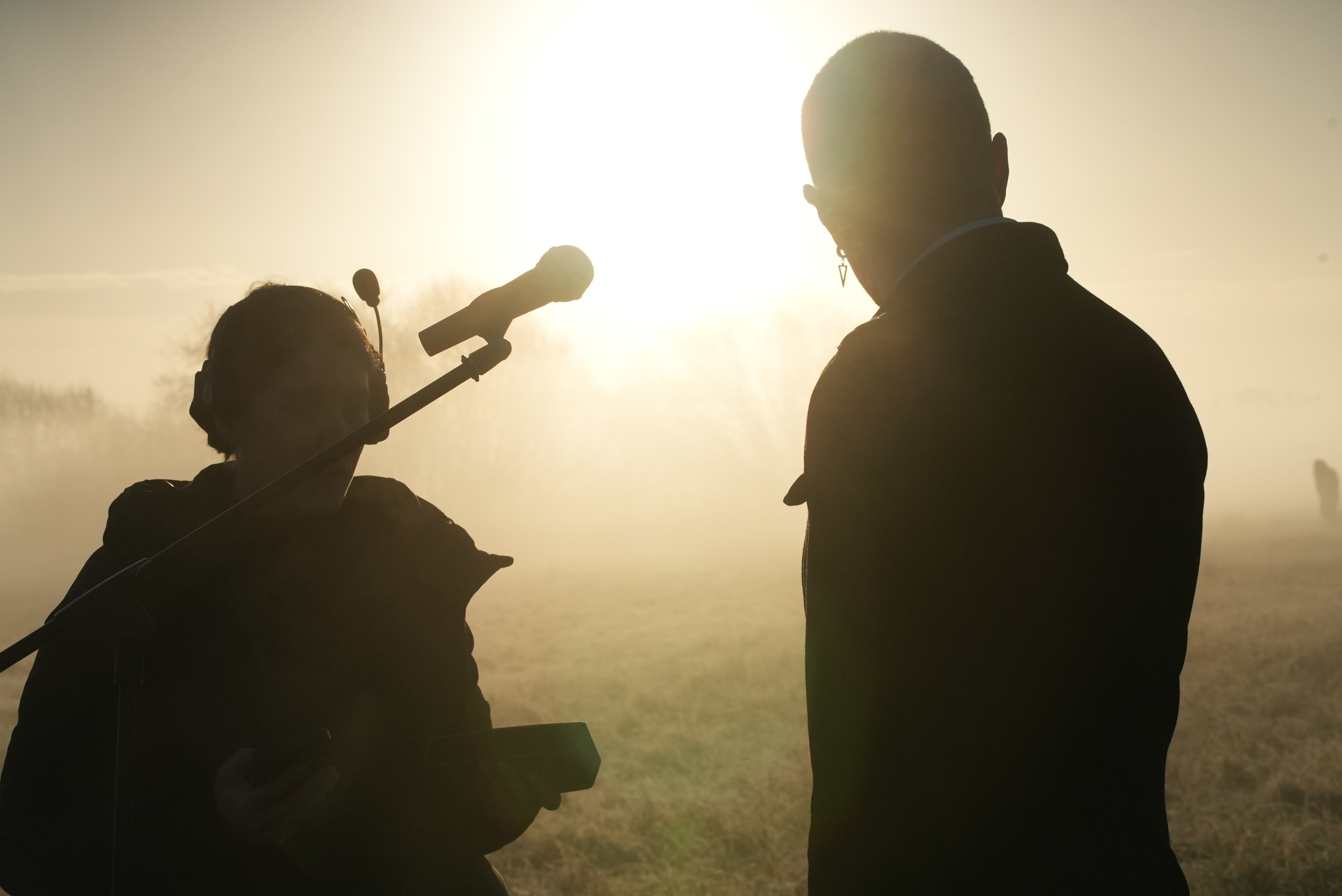
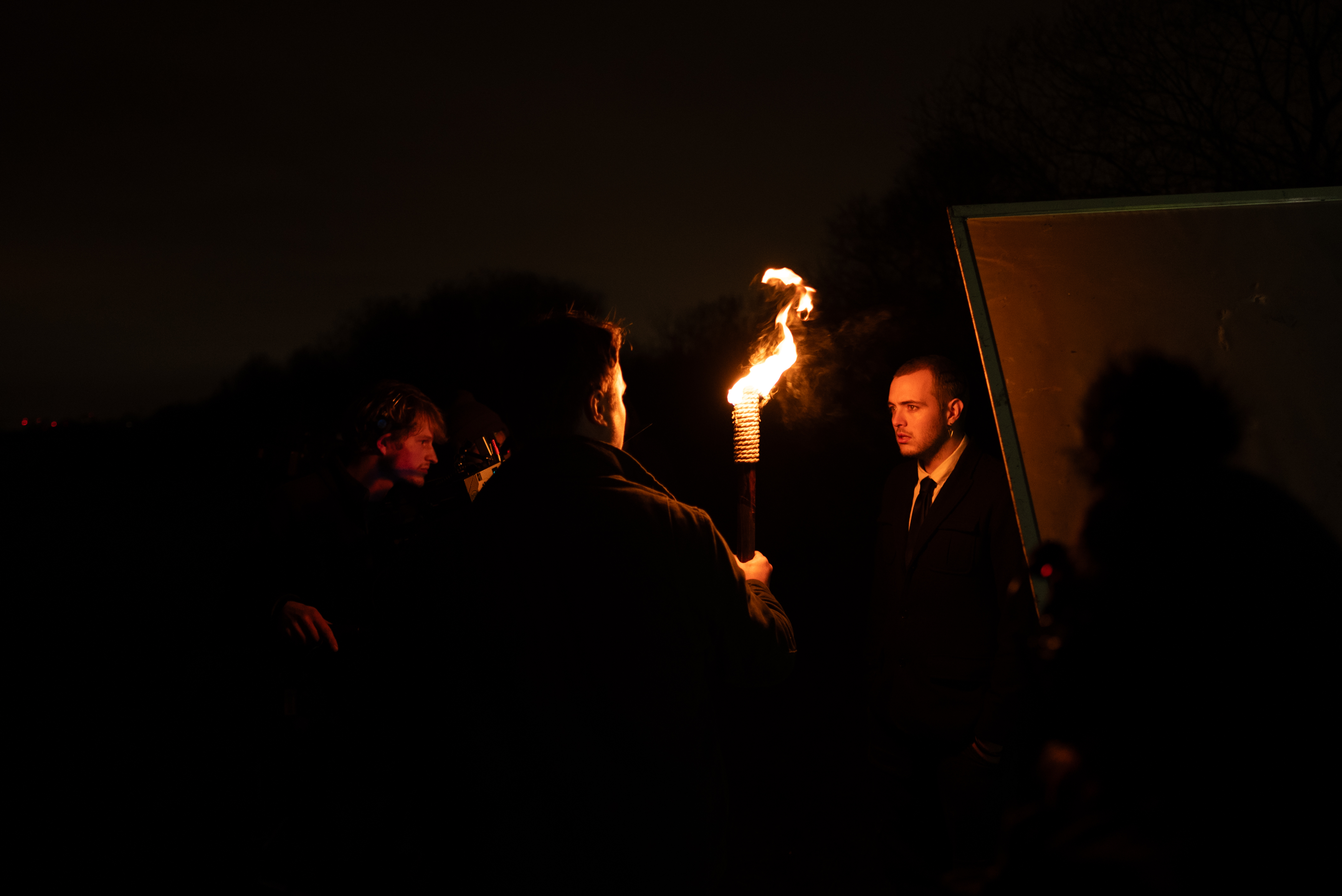
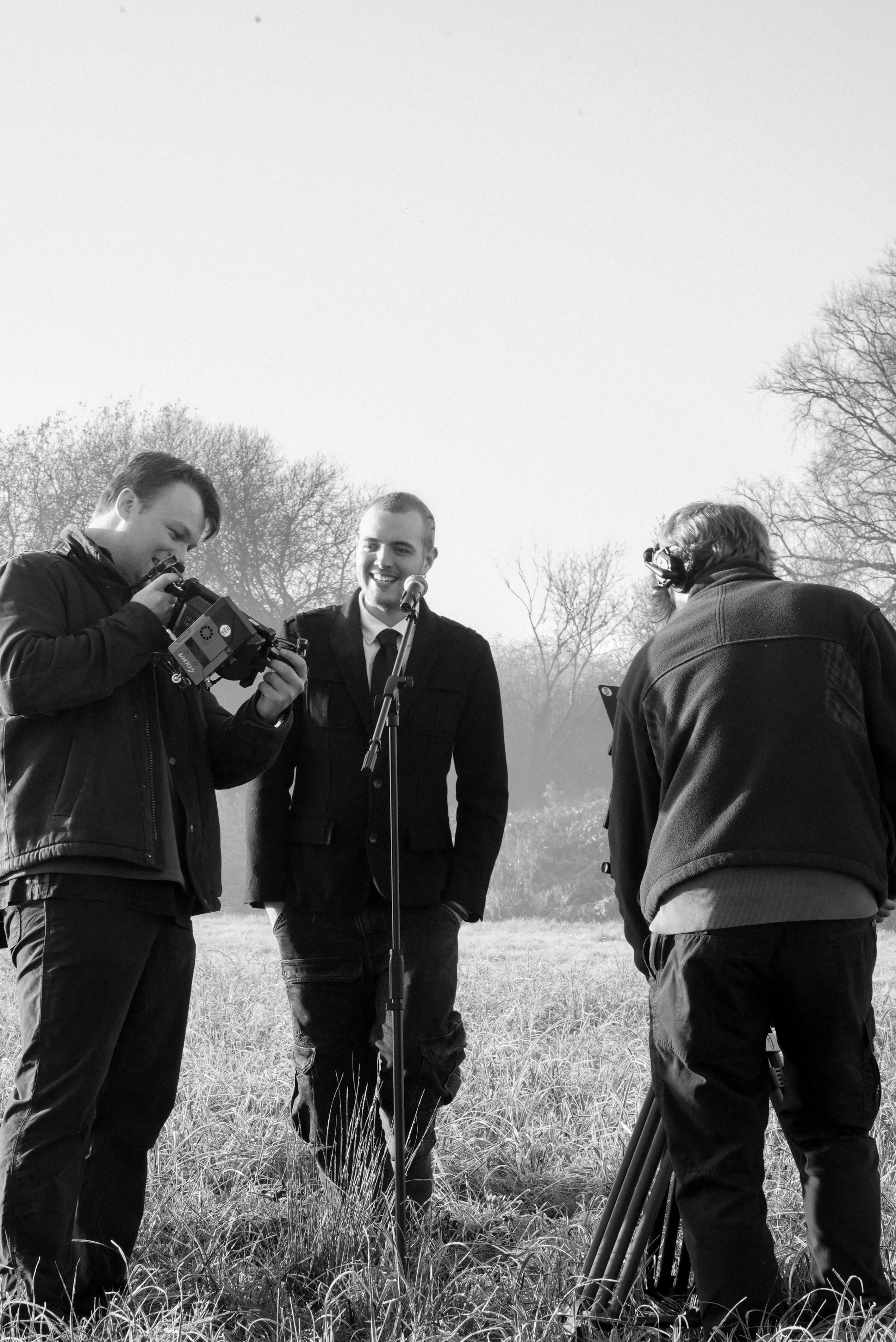
Shot over two days at Walthamstow Wetlands, the landscape becomes an extension of the story itself – open, exposed, and merciless. Cinematographer Hal Pilkington shot on the Blackmagic URSA 12K in Super 16 6K mode, paired with Petzval lenses to introduce optical imperfections and swirling bokeh, subtly distorting the frame and echoing how truth bends under fear and hysteria.
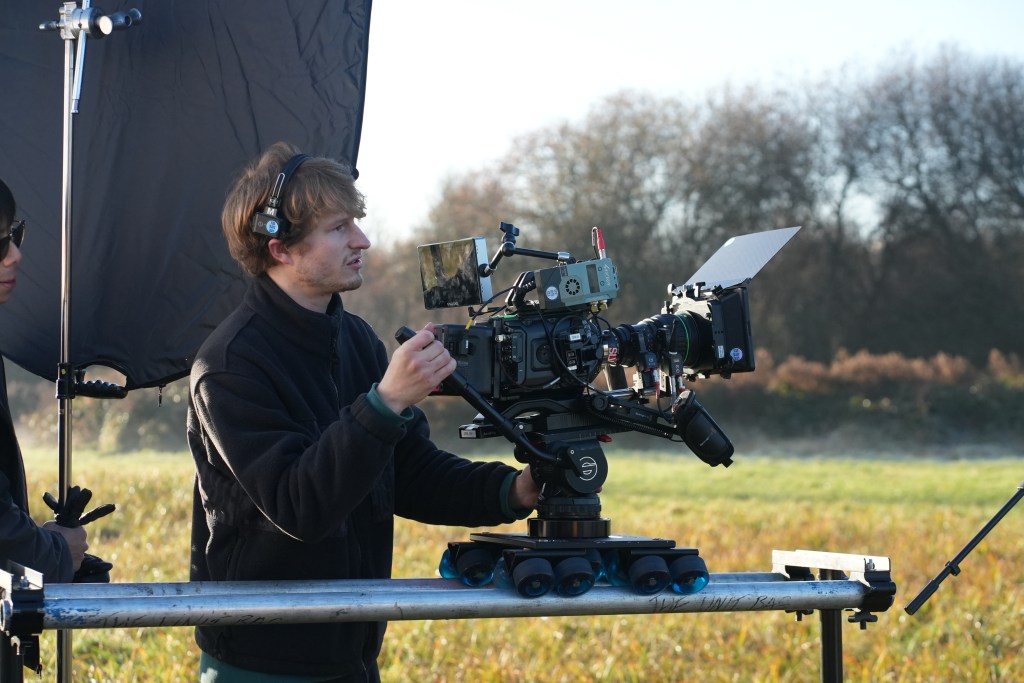
In post-production, restrained visual effects heighten the atmosphere: speed-ramped clouds move unnaturally across the sky, and a digitally constructed funeral pyre delivers the film’s final act with ritualistic weight and dread.
The result is a music video rooted in personal history yet painfully contemporary – a meditation on persecution, inherited guilt, and the enduring violence of accusation.

 Red Robin Films
Leave a comment